




Key takeaways
The most expensive Google Ads mistakes live in account structure, not campaigns.
Treating demo requests and newsletter signups equally destroys Smart Bidding performance.
Branded traffic inflates ROAS — it hides how badly non-branded is performing.
Every premature change resets the learning period. One variable at a time.
Search term reports reviewed weekly are where budget efficiency is actually built.
15 Google Ads Mistakes Costing You Six Figures and the Exact Fixes That Doubled ROAS
Google Ads should be predictable. You spend money, traffic comes in, and sales follow. But for many businesses, Google Ads feels confusing, expensive, and unreliable.
One of our clients came to us spending forty seven thousand dollars per month on Google Ads with a return on ad spend of just 1.8. The product was good. The market demand was real. The problem was not Google Ads. The problem was how the campaigns were set up and managed.
Eight weeks later, with the same budget, their ROAS increased to 4.7.
Nothing magical happened. We fixed a series of common Google Ads mistakes that were quietly draining their budget every single day.
In this guide, you will learn the fifteen most common Google Ads mistakes that cost businesses six figures every year. More importantly, you will learn how to fix Google Ads campaigns the right way in 2025.
This article is designed to help you improve Google Ads performance without guesswork, wasted spend, or unnecessary complexity.
Strategic Foundation Mistakes That Hurt Google Ads Performance
Mistake 1 Not Using a Clear Google Ads Account Structure
One of the most damaging Google Ads mistakes is running campaigns without a clear and logical structure. When brand keywords, non brand keywords, display ads, and remarketing all live together, Google cannot optimize properly and neither can you.
A strong Google Ads account follows a simple hierarchy. The account contains campaigns. Campaigns contain ad groups. Ad groups contain closely related keywords and ads.
Many advertisers mix different funnel stages in one campaign or place unrelated keywords into the same ad group. This leads to poor Quality Scores, higher cost per click, and lower conversion rates.
The fix is to separate campaigns by intent. Brand campaigns should be isolated. Generic and non brand search campaigns should be organized by keyword theme. Remarketing and display should never be mixed with search. When accounts are restructured properly, Quality Scores often improve by two to three points, which directly lowers Google Ads costs.
Mistake 2 Poor Google Ads Budget Allocation
Another common Google Ads optimization mistake is spreading budget evenly across all campaigns. This feels fair but it kills performance.
In almost every Google Ads account, a small percentage of keywords drive most of the conversions. When budget is spread too thin, top performing campaigns are limited while low performing campaigns continue to spend.
The fix is to allocate budget based on performance and intent. Proven converting campaigns should receive the majority of spend. Testing and scaling campaigns should receive controlled budgets. Experimental campaigns should always have limited spend.
This approach helps reduce wasted spend and ensures your Google Ads budget optimization supports revenue instead of just traffic.
Mistake 3 Treating All Conversions the Same
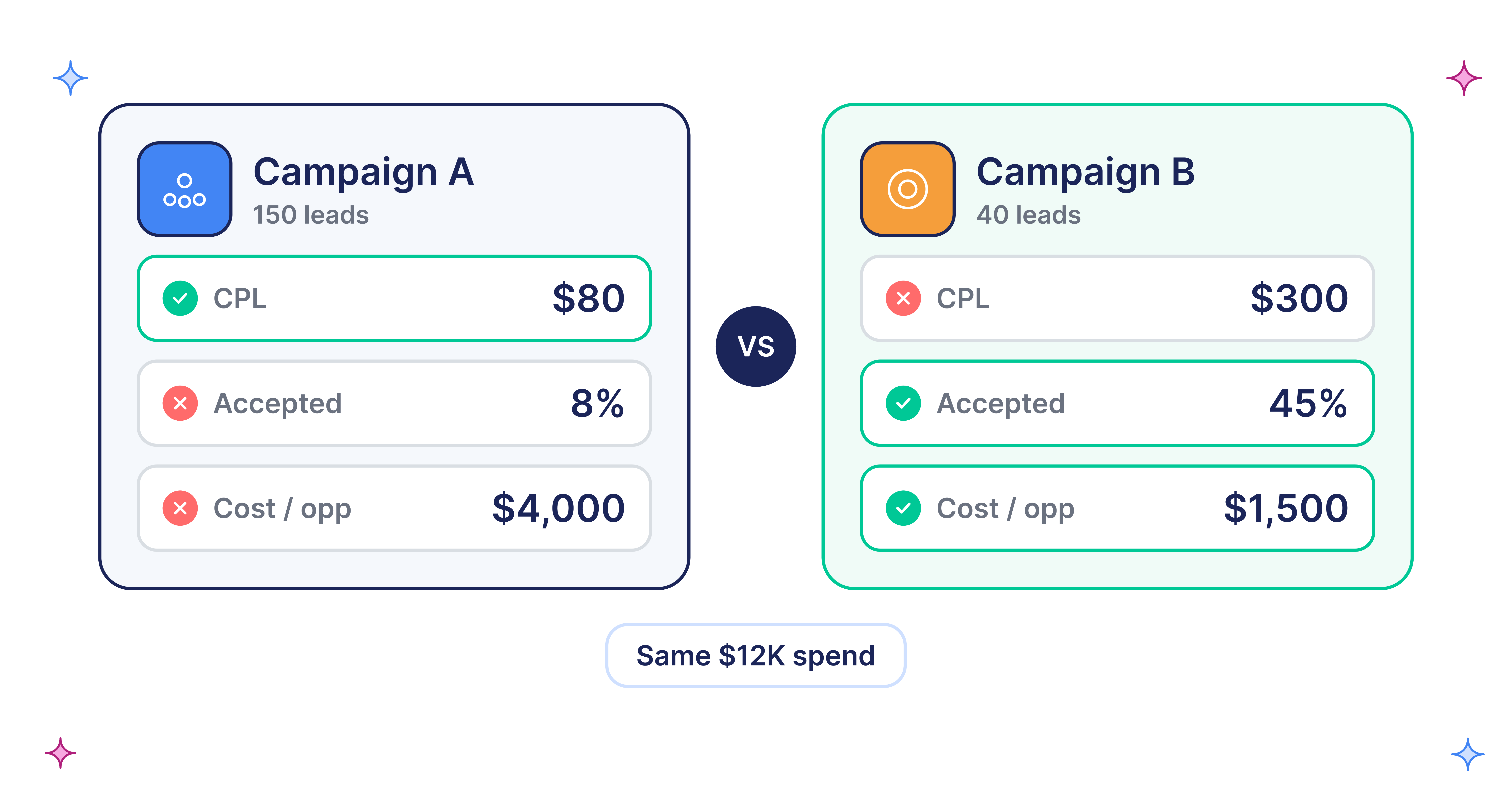
Many advertisers make the mistake of treating all conversions equally. A purchase, a demo request, and a newsletter signup often have the same value inside Google Ads.
This causes Smart Bidding to optimize for volume instead of profit. Google will chase cheap conversions even if they do not generate real revenue.
The fix is to use value based bidding. Assign higher values to high intent actions like purchases or qualified leads. Assign lower values to micro conversions like email signups or content downloads. When possible, connect your CRM so Google learns which leads actually turn into customers.
This change alone can dramatically improve return on ad spend and profit per click.
Targeting and Audience Mistakes in Google Ads
Mistake 4 Focusing Only on ROAS Without Understanding It
ROAS is one of the most misunderstood metrics in Google Ads. Many businesses set ROAS targets without understanding margins, customer lifetime value, or growth goals.
A ROAS of 2.5 may be profitable for one business and unprofitable for another. Brand campaigns often inflate ROAS while hiding weaknesses in non brand campaigns.
The fix is to set ROAS targets based on real business numbers. Consider product margins, repeat purchase behavior, and long term value. Also understand the difference between total ROAS and incremental ROAS so you are not misled by branded traffic.
Mistake 5 Ignoring Audience Layering and Observation Mode
Many advertisers either fully target audiences or ignore them completely. This is a major missed opportunity.
Google Ads allows you to observe audiences without restricting reach. This provides valuable data on how different audience segments perform.
The fix is to layer audiences in observation mode first. Analyze conversion rates, cost per acquisition, and ROAS by audience segment. Then apply bid adjustments or exclusions based on real data. Audience layering often reduces cost per acquisition without sacrificing volume.
Mistake 6 Ignoring Demographics and Household Income Data
Google Ads provides age, gender, parental status, and household income data, yet many advertisers never review it.
Performance often varies significantly across demographic segments. Some age groups convert at a fraction of the cost of others.
The fix is to review demographic performance regularly. Start with bid adjustments rather than exclusions. Scale what performs well and reduce spend on segments that consistently underperform while staying compliant with advertising policies.
Mistake 7 Poor Geographic Targeting and Location Settings
Location targeting is often set once and forgotten. This leads to wasted spend in low performing regions and missed opportunities in high value areas.
The fix is to analyze performance by city, region, and postal code. Review location intent settings and remove traffic from users who are only interested in a location if it does not make sense for your business. Adjust bids based on geographic performance and business priorities.
Ad Creative and Messaging Mistakes That Lower Conversions
Mistake 8 Using Generic Ad Copy Without Message Match
Generic ad copy is one of the biggest reasons Google Ads do not convert. When ads look and sound like everyone else, users choose the cheapest option or skip entirely.
The fix is to match ad copy to user intent. Problem aware users need to see their pain points. Solution aware users need benefits. High intent users need proof and offers. Better message match improves click through rate and conversion rate at the same time.
Mistake 9 Poor Responsive Search Ad Testing
Many advertisers create Responsive Search Ads and let Google handle everything. This often leads to weak combinations and unclear messaging.
The fix is to intentionally write varied headlines and descriptions. Each headline should serve a different purpose, such as benefits, features, urgency, or questions. Review asset performance regularly and replace low performing copy. Proper RSA testing can significantly increase click through rate.
Mistake 10 Not Using Google Ads Extensions Strategically
Ad extensions increase ad visibility and trust, yet many accounts underuse them or apply them without strategy.
The fix is to match extensions to campaign intent. Brand campaigns benefit from trust and navigation. Generic campaigns need differentiation and value. Remarketing campaigns need urgency and offers. Well optimized extensions improve performance without increasing cost per click.
Mistake 11 Weak Video and Display Creative
Display and YouTube ads fail when creative is generic, slow, or unclear. Users decide within seconds whether to pay attention.
The fix is to lead with a strong hook and clearly communicate the problem and solution. Simple visuals, motion, and a clear call to action perform better than polished but vague designs. Video and display work best when they support search campaigns, not replace them.
Data and Optimization Mistakes in Google Ads
Mistake 12 Conversion Tracking and Attribution Errors
Incorrect conversion tracking leads to incorrect decisions. Duplicate tags, missing phone call tracking, wrong attribution models, and missing offline conversions are common issues.
The fix is to audit conversion tracking regularly. Use data driven attribution when possible and ensure every meaningful action is tracked correctly. Clean data leads to better bidding and smarter optimization.
Mistake 13 Making Changes Too Early
One of the most common Google Ads best practices is also one of the hardest to follow. Patience.
Making bid changes or pausing keywords before enough data is collected leads to unstable performance.
The fix is to wait until there is sufficient conversion volume before making decisions. Document changes and test one variable at a time. Consistency and discipline lead to better long term results.
Mistake 14 Ignoring Search Terms and Match Type Behavior
Search term reports show exactly what users typed before clicking your ads. Ignoring them leads to wasted spend.
The fix is to review search terms weekly. Add high converting queries as exact match keywords and exclude irrelevant terms as negative keywords. Understand that match types are broader than ever and require active management.
Mistake 15 Blindly Trusting or Avoiding Automation
Automation is powerful but dangerous when misunderstood. Some advertisers blindly apply recommendations while others avoid automation entirely.
The fix is balance. Automate bidding and delivery but keep strategy, budgets, and tracking under human control. Review automation suggestions carefully before applying changes. Automation should support your strategy, not replace it.
Final Thoughts on Fixing Google Ads Mistakes
Google Ads does not fail. Poor systems fail.
Most businesses do not need to spend more money. They need better structure, smarter targeting, stronger messaging, and clean data. If your Google Ads are not converting or your cost per click keeps rising, several of these mistakes are likely holding you back.
Fixing even a few of these Google Ads mistakes can dramatically improve performance and turn your campaigns into a reliable growth channel.

.webp)
