


Key takeaways
Retargeting ads campaigns exist because most buyers need more than one touchpoint to convert.
Retargeting outperforms standard display ads because the audience already knows your product exists.
Segment retargeting audiences by behavior; a pricing page visitor needs different messaging than a homepage visitor.
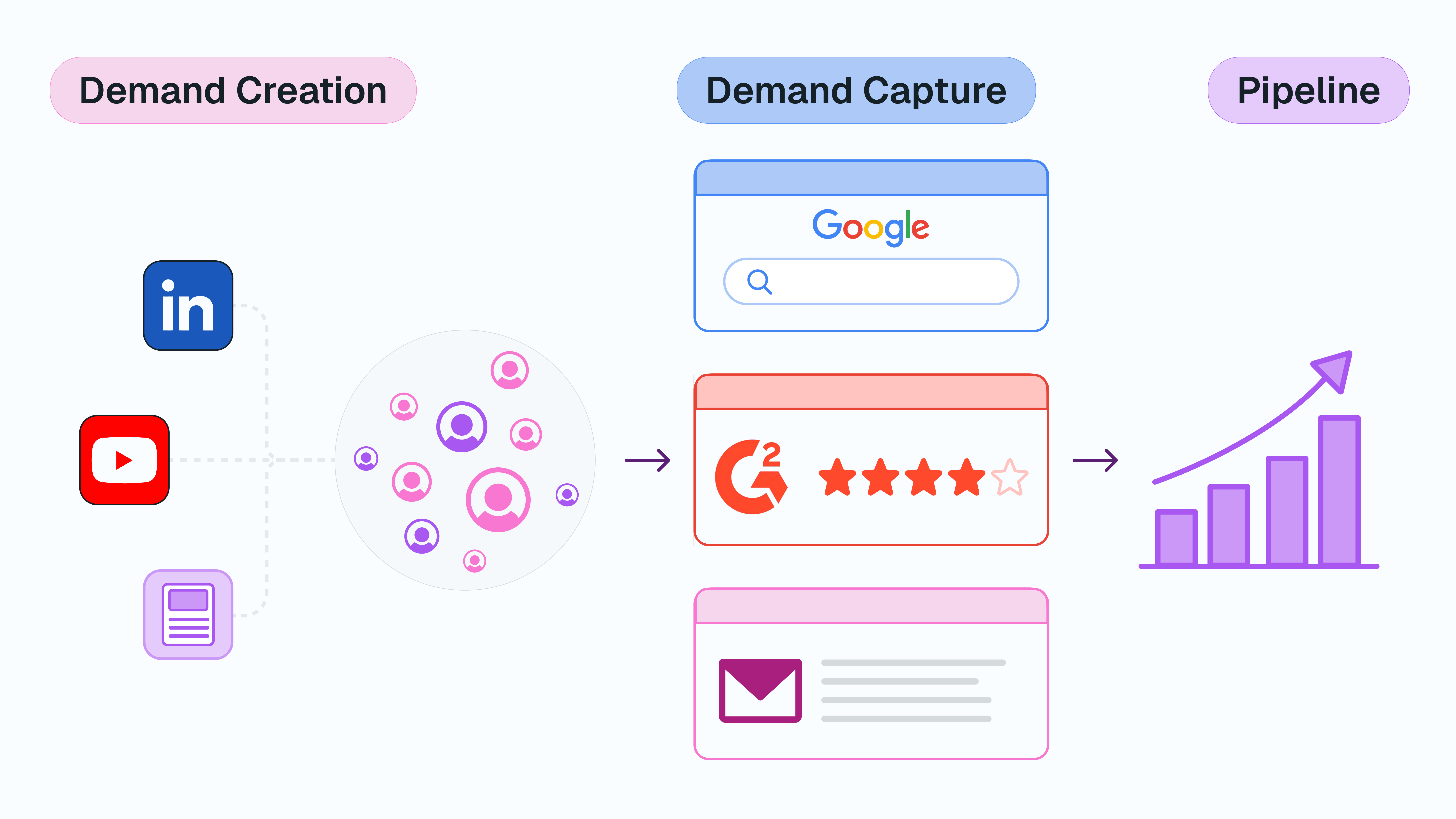
The initial PPC ad introduces the brand, but retargeting is what closes the conversion.
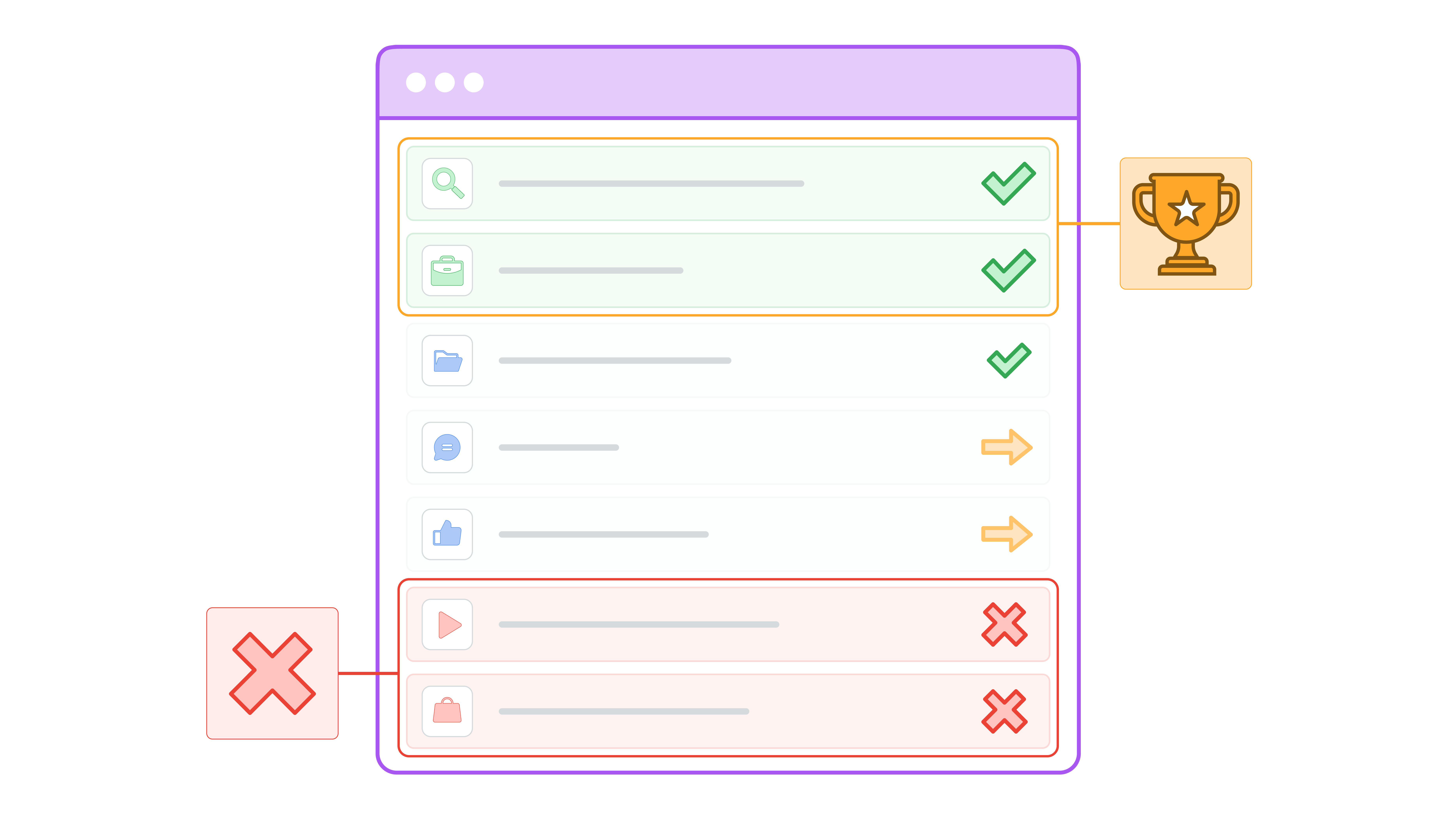
Frequency without relevance turns retargeting into noise. Segment or you're wasting the warm audience.
Most people don’t convert the first time they see an ad.
Think about the last time you searched for a tool or service on Google. You might have clicked on a result, explored the site for a minute, maybe even checked the pricing page, but then left it at that.
It’s not like you weren’t interested, but because you needed more time to think.
A few days later, you see that same brand again through a Google ad reminding you of what you looked at. This time the message feels more relevant, maybe even timed perfectly.
This is a classic example of PPC retargeting.
Instead of constantly chasing new traffic, retargeting ads campaigns focus on people who have already shown interest in your business. These are visitors who clicked an ad, browsed a product page or interacted in other ways, but didn’t convert the first time.
At Scalix AI, we see this pattern often when managing paid campaigns. The initial PPC ad introduces the brand, but it’s usually the retargeting ads campaign that brings interested visitors back and nudges them toward conversion.
In this guide, we’ll break down what retargeting ads campaigns are, how PPC retargeting works, the typical costs involved, and the best practices that help these campaigns perform.
What is Retargeting Ads?
Retargeting ads are ads shown to people who have already visited your website or interacted with your brand but didn’t convert. PPC retargeting helps bring those visitors back by showing them relevant ads as they browse other websites or platforms.
For example, you might click on a product on a brand’s website but leave without buying it. Later, the brand can use retargeting ads to show you that same product again, and many shoppers eventually return to purchase it.
Are Retargeting Ads More Effective Than Regular Display Ads?
Yes, display ads retargeting are generally more effective than regular display ads because they target people who have already interacted with your website or brand. Since these users are already familiar with what you offer, they are more likely to return and convert compared to completely new audiences.
How Does Retargeting Work When Running Google Ads Campaigns?
Let’s look at the 6 steps that show how retargeting ads work.
Step 1: Add a tracking tag to your website
Install the Google Ads remarketing tag (or Google tag) on your site so Google can track visitors who interact with your pages.
Step 2: Build audience lists
Create audiences based on behavior, such as people who visited a product page, pricing page, or added items to a cart. Using insights from PPC keyword research, you can identify which search terms brought high-intent visitors to your site and prioritize retargeting them.
Step 3: Segment the audiences
Group visitors based on their actions. For example, someone who viewed a product may see a different ad than someone who abandoned checkout.
Step 4: Create retargeting ads
Design ads specifically for these audiences with messaging that encourages them to return, such as reminders, offers, or product highlights.
Step 5: Launch the retargeting campaign
Run your campaign across Google’s Display Network, YouTube, or other supported placements to reach those visitors as they browse other sites.
Step 6: Monitor and optimize performance
Track metrics like click-through rate, conversions, and cost per conversion, then adjust targeting, bids, or creatives to improve results.
Why is Retargeting Ads Campaigns Important?
- Brings back interested visitors who left your site without converting.
- Targets warmer audiences who already know your brand.
- Improves conversion rates compared to campaigns targeting completely new users.
- Strengthens brand recall by showing ads to people who previously interacted with your business.
- Improves ad spend efficiency by focusing on audiences more likely to convert.
Remarketing Vs Retargeting
Retargeting usually refers to showing ads to previous website visitors, while remarketing often refers to re-engaging existing contacts through channels like email.
[table]
Factor | Retargeting | Remarketing
Primary Focus | Re-engage website visitors | Re-engage existing leads or customers
Channel | Paid ads (display, search, social) | Email or direct communication
Data Source | Website behavior or tracking pixels | Contact lists or CRM data
Goal | Bring visitors back to complete an action | Nurture existing users and encourage repeat actions
[/table]
How Much Does Retargeting Cost?
The cost of retargeting campaigns depends on the platform, audience size, and bidding strategy. In many cases, retargeting ads run on CPM advertising, meaning advertisers pay for every 1,000 ad impressions shown to users.
Because the audience is smaller and more targeted, retargeting often costs less per conversion compared to campaigns aimed at completely new users.
On platforms like Google Display Network or social media, CPM rates typically range from $3 to $15, though this can vary depending on competition and targeting settings.
More importantly, advertisers evaluate retargeting performance through ROAS (Return on Ad Spend). Since these ads target users who already showed interest, retargeting campaigns often deliver higher ROAS than standard prospecting campaigns.
What Are The Best Platforms For Retargeting Campaigns?
The best platforms for retargeting campaigns are those with large audiences and strong analytics. Platforms like Google, Meta, LinkedIn, and YouTube allow brands to reach past visitors across multiple websites and apps.
[table]
Platform | Why It Works Well | Best For
Google Ads | Massive reach across millions of websites and apps | SaaS, B2B, and e-commerce brands
Meta (Facebook & Instagram) | Advanced audience targeting and behavioral data | E-commerce, consumer brands, DTC
LinkedIn Ads | Precise professional targeting based on job roles and companies | B2B, SaaS, enterprise products
YouTube Ads | High engagement through video retargeting | Brands with strong visual or product demos
TikTok Ads | Highly engaging short-form video placements | Consumer brands targeting younger audiences
[/table]
What Are The Different Types Of Retargeting Campaigns?
Retargeting campaigns can be set up in several ways depending on how users interacted with your brand and what stage of the funnel they are in.
[table]
Retargeting Campaign Type | Best Industry Fit | Use Case | Key Detail
Site Visitor Retargeting | SaaS, B2B, E-commerce | A user visits your pricing page but leaves. Later they see a Google Display ad reminding them about your product. | One of the most common forms of PPC retargeting. Works well for warm audiences with medium to high purchase intent.
Cart Abandonment Retargeting | E-commerce, DTC brands | Someone adds shoes to their cart but leaves before checkout. The brand later shows an ad featuring the same product. | High conversion potential because the user already showed strong buying intent.
Search Retargeting | SaaS, tech products, service businesses | A user searches for “Accounting software” or “AI email assistant” and later sees related ads on display networks. | Targets users based on search behavior, even if they haven’t visited your site yet.
Email List Retargeting (Customer Match) | SaaS, subscription services, B2B | A company uploads an email list of leads and shows them Google or LinkedIn ads promoting a demo or webinar. | Useful for nurturing leads already in your CRM or email database.
Video Retargeting | SaaS, education platforms, product brands | Someone watches 50% of your YouTube product demo video and later sees a follow-up ad inviting them to sign up. | Works well in mid-funnel campaigns where users are learning about a product.
Dynamic Product Retargeting | E-commerce marketplaces, retail | A shopper views a specific laptop on an online store. Later they see an ad featuring that exact product with price and image. | Highly personalized ads that automatically show the exact items a user viewed. Often delivers strong ROAS.
[/table]
Key takeaway: The most effective retargeting strategies usually combine multiple campaign types so brands can reconnect with users at different stages of the buying journey.
The Best Retargeting Ads Examples for Popular Platforms
Here are the best retargeting ads examples for popular platforms.
3 Examples of How Scalix AI Helped Clients with Google Retargeting Ads
Let’s go through a few real examples where Google Ads retargeting and structured campaign optimization helped improve lead quality, conversion rates, and return on ad spend.
- PAM
When PAM partnered with Scalix AI, their advertising setup lacked clear tracking, audience segmentation, and funnel structure. The first step was a full Google Ads audit and optimization checklist, including campaign consolidation, proper UTM tracking, and clearer audience targeting.
Once the account was cleaned up, a full-funnel campaign structure was introduced. This included awareness campaigns to capture new traffic and retargeting campaigns to bring interested prospects back for demo requests.
By continuously testing creatives and focusing spend on higher-performing segments, the campaigns generated 3.25× return on ad spend and multiple enterprise deals within a few months.
- Fyxer
FYXER initially struggled with poorly structured Google Ads campaigns that produced little value. Scalix AI started with a Google Ads optimization, auditing campaign structure, resolving technical issues, and rebuilding the account with a more disciplined approach.
After the restructuring, the campaigns began generating consistent acquisition results. Retargeting audiences helped bring back users who had previously interacted with ads or visited the website, improving conversion potential.
Over time, Google Ads became a major acquisition channel for the company, contributing 12% of total ARR and helping acquire more than 10,000 customers.
- Portless
Portless faced a different challenge: they didn’t just need more leads, they needed high-quality leads that justified their high-value contracts.
The Google Ads strategy focused on precise targeting and structured campaign testing, combined with retargeting audiences to reconnect with visitors who had already shown interest in the logistics solution.
Instead of chasing large volumes of low-quality traffic, the campaigns prioritized decision-makers and long-term ROI. With controlled test budgets and continuous optimization, the account achieved up to 19× return on ad spend within the first two months of campaigns.
3 Examples of Popular Facebook Retargeting Ads Campaigns
Many brands use Meta ads retargeting to re-engage visitors who viewed products, interacted with posts, or visited their website. Below are a few well-known examples.
- Sloane Tea

Sloane Tea uses retargeting to remind visitors about premium tea products they previously browsed on their website. Instead of showing generic ads, the brand often retargets users with product-focused visuals and subtle reminders, encouraging them to return and complete their purchase.
This approach works well for e-commerce brands selling specialty products, where buyers may need multiple touchpoints before purchasing.
- Levis

Levi’s frequently uses Facebook retargeting ads to show shoppers products they previously viewed. If a customer browses a specific jacket or jeans collection but leaves without buying, Levi’s retargets them with ads featuring the same item or similar styles.
This type of dynamic product retargeting is common in fashion e-commerce because it keeps the product top-of-mind while customers continue browsing social media.
- Blume
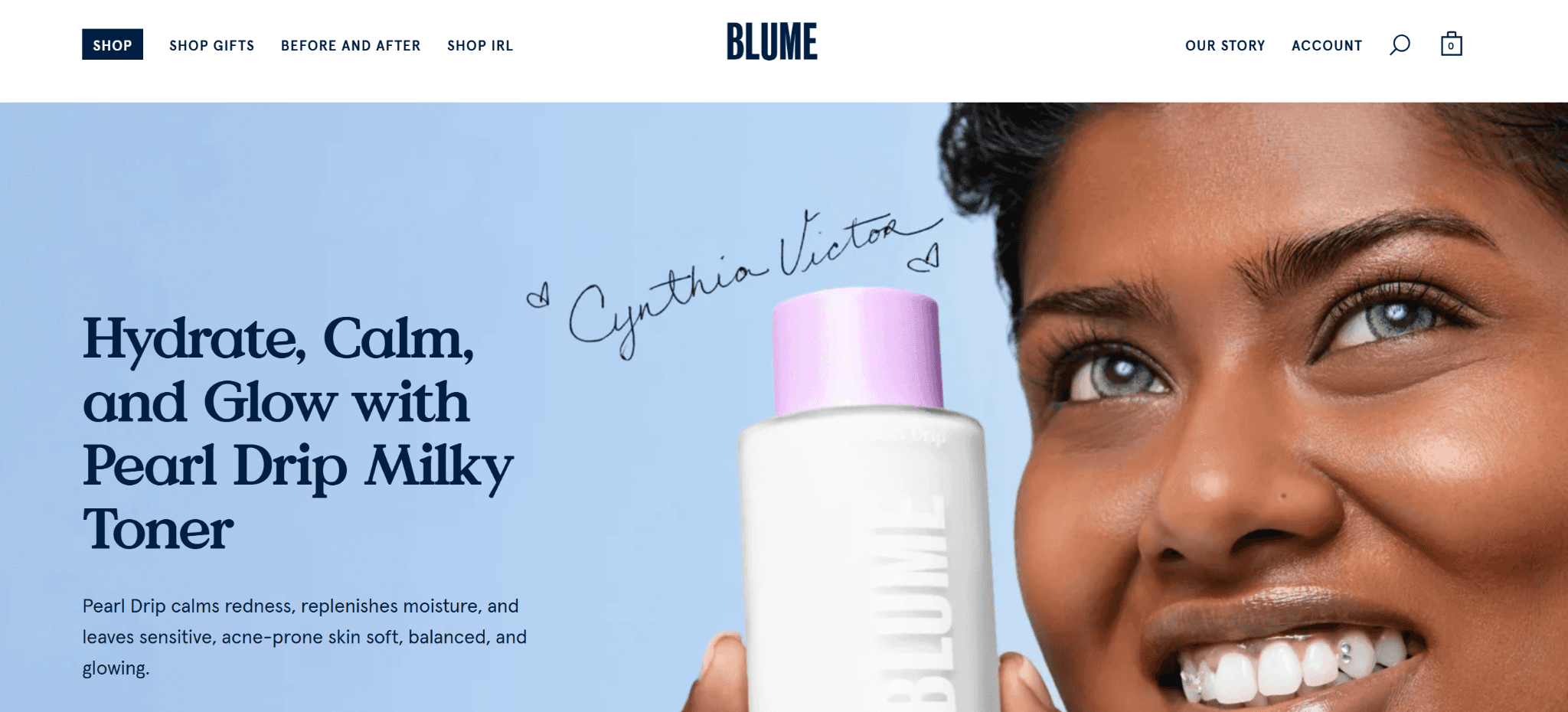
Blume, a skincare and wellness brand, uses Meta retargeting campaigns to reconnect with users who interacted with their website or social media content.
Their retargeting ads often combine educational messaging with social proof, highlighting customer reviews or product benefits. This works especially well for skincare brands where buyers often research products before making a purchase.
4 Best Practices for Retargeting Ads Campaigns for Conversion Rate Optimization
Retargeting campaigns may look simple on the surface, but the difference between average and high-performing campaigns often comes down to how well these fundamentals are executed.
- Segment Your Audience Properly
Not every visitor should see the same ad.
Someone who read a blog post should not receive the same message as someone who visited the pricing page. A more effective approach is to segment audiences based on behavior, such as:
- Product page visitors
- Pricing page visitors
- Demo page visitors
- Returning customers
For example, SaaS companies often retarget pricing page visitors with demo offers, while blog readers may see ads promoting a case study or webinar.
- Create A Sense of Urgency
Retargeting works best when it gives people a reason to return now. This doesn’t always mean aggressive discounts. Sometimes it’s simply highlighting:
- Limited-time offers
- Product availability
- A new feature release
- Upcoming webinar registration
For example, an e-commerce brand might retarget a visitor who viewed a product with a message like: “Still thinking about it? Free shipping ends tonight.”
Small nudges like this can significantly improve conversion rates.
- Avoid Showing the Same Ad Constantly
Showing the same retargeting ad repeatedly can quickly annoy users.
A better strategy is to rotate creatives and messaging. Many advertisers refresh retargeting ads every few weeks to keep them relevant.
For example, a SaaS company might rotate between:
- Product feature ads
- Customer testimonial ads
- Case study ads
- Demo invitation ads
This keeps the brand visible without overwhelming the audience.
- Continuously Test and Learn from Your Data
Even strong retargeting campaigns require ongoing testing. Good advertisers regularly experiment with:
- Different ad creatives
- Landing pages
- audience segments
- bidding strategies
For instance, one campaign might perform better with short direct copy, while another may convert better with testimonial-based messaging.
The key is simple: let performance data guide decisions rather than assumptions.
The Bottom Line
Retargeting ads campaigns aren’t just about showing ads again, they’re about guiding users through the funnel, from their first visit to a final conversion. The key is knowing where each visitor is in their journey and delivering the right message at the right time, without overspending your ad budget.
At Scalix AI, we structure Google Ads campaigns to make every dollar count. We segment audiences, personalize messaging, and continuously optimize campaigns to ensure maximum impact for your budget while moving users smoothly through the funnel.
Book a free audit with Scalix AI to see how a structured retargeting funnel can improve your conversions and ROAS.